- Pet conditioner
- Grooming brushKeeping your dog clean and well-groomed is an important part of responsible pet care. Regular grooming can help maintain a healthy coat, keep your dog comfortable, reduce loose hair, and give you a chance to notice changes in their skin, ears, paws, or nails.
At The Pet Care, we believe grooming should be gentle, comfortable, and enjoyable for your pet. With the right products, tools, and techniques, you can handle many basic grooming tasks at home.
1. Prepare Your Grooming Essentials
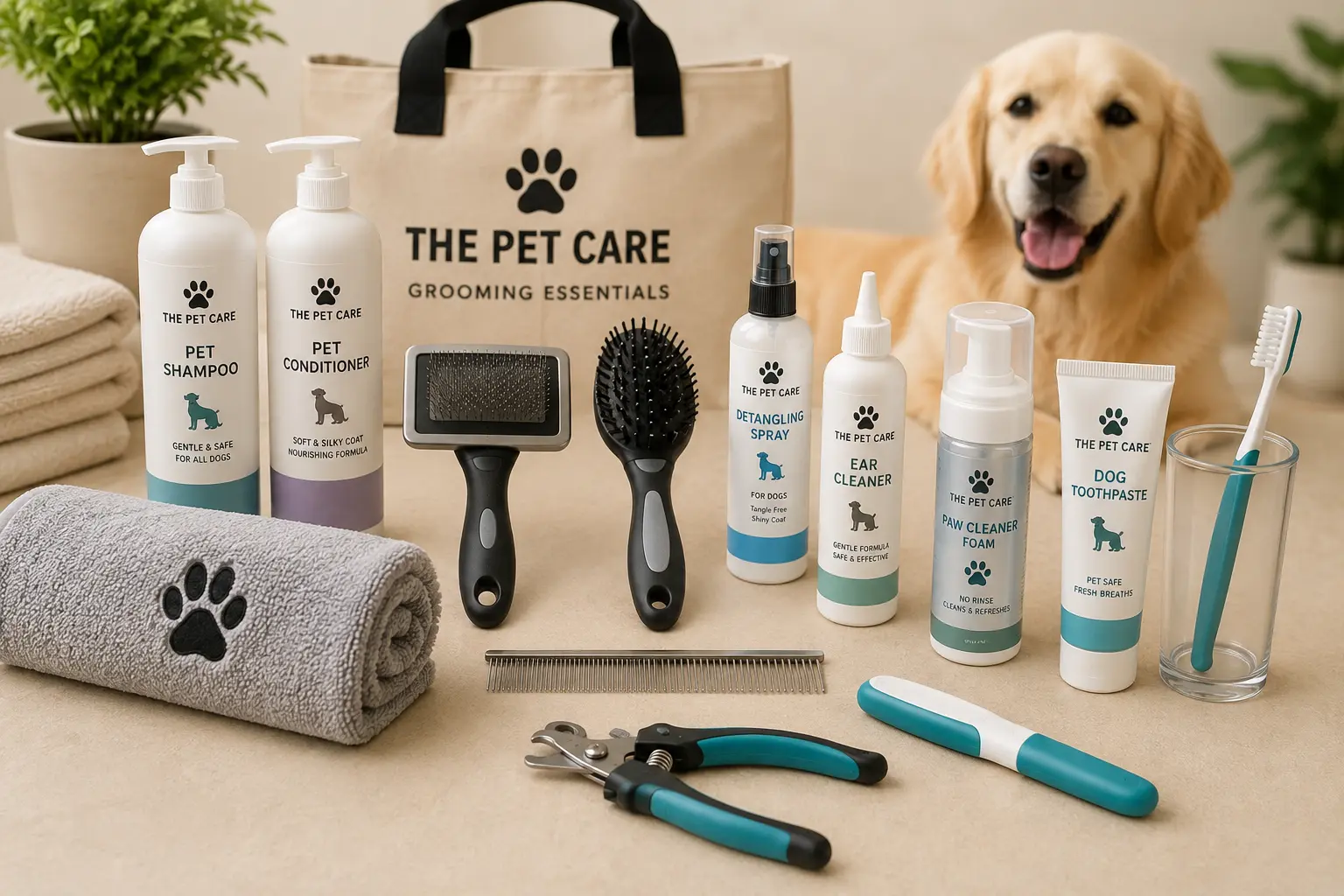
Before you start, keep everything you need in one place. This prevents you from leaving your dog unattended during grooming.
Your basic grooming kit may include:
- Dog shampoo
- Stainless steel comb
- Microfiber pet towel
- Nail clipper or grinder
- Ear cleaning solution
- Paw cleaner
-
Dog toothbrush and toothpaste
- Detangling spray
Always choose products specifically designed for pets.
2. Brush Your Dog Before Bathing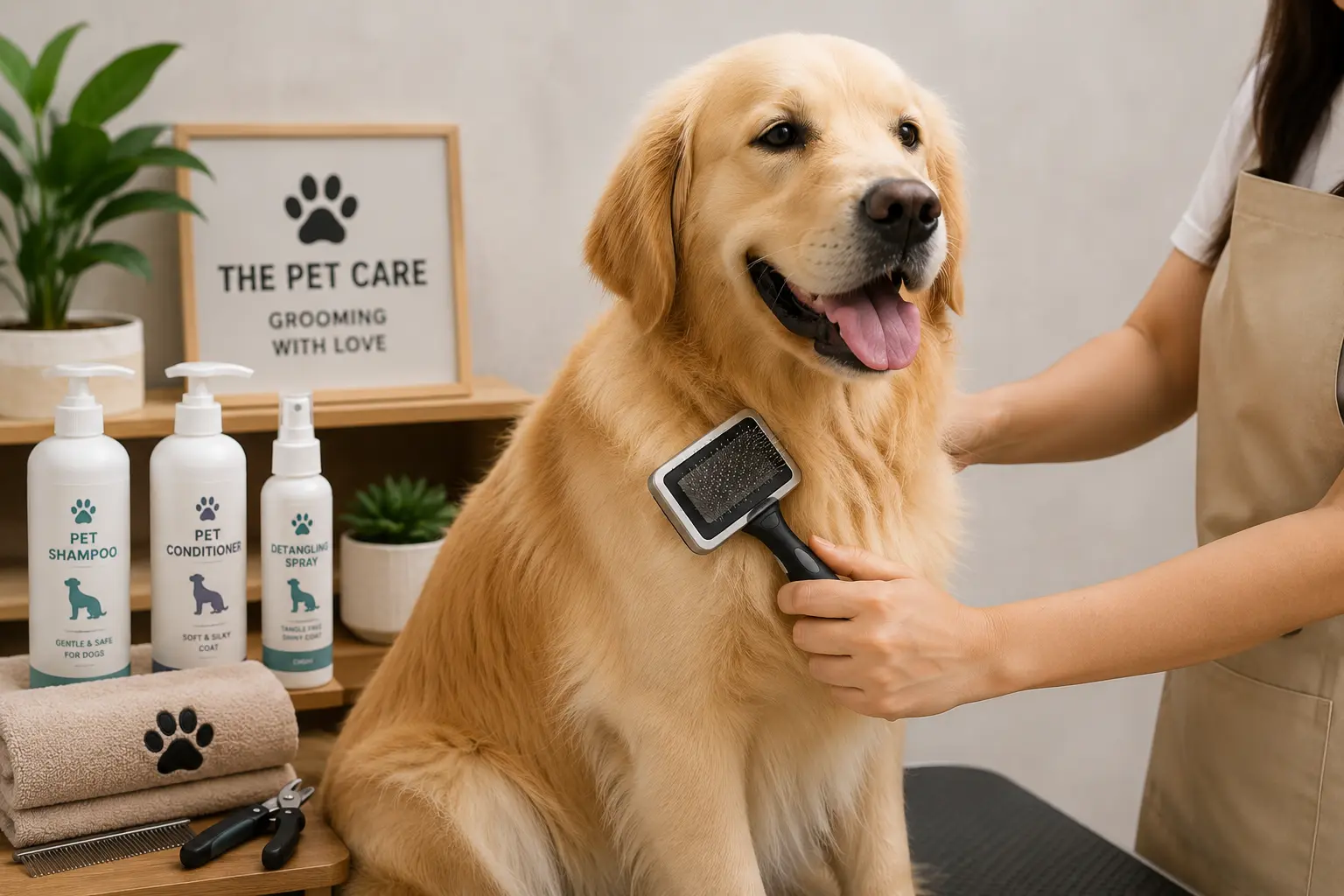
Start by gently brushing your dog’s coat before getting it wet.
Brushing helps remove:
- Loose and dead hair
- Dirt and debris
- Small tangles
- Knots in the coat
For long-haired dogs, work through the coat in small sections. Never pull aggressively on tangled fur. A suitable detangling product may make stubborn tangles easier to manage.
Regular brushing can also reduce the amount of loose fur around your home.
3. Give Your Dog a Comfortable Bath
Once the coat is brushed, you can prepare your dog for a bath.
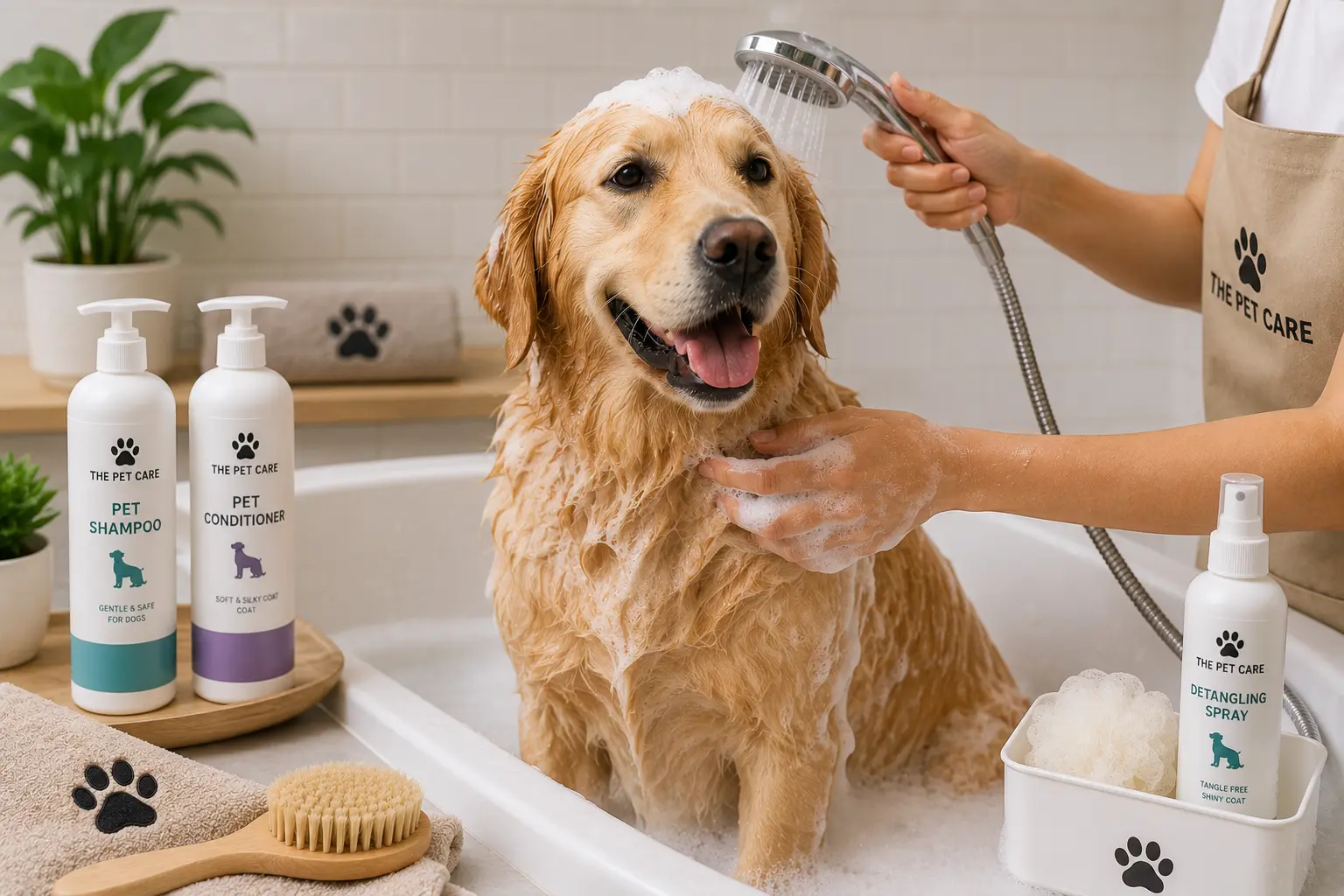
Use lukewarm water, rather than very hot or cold water. Wet the coat gradually so your dog has time to become comfortable.
Apply a dog-specific shampoo and gently massage it through the coat and skin.
Avoid getting shampoo directly into your dog’s:
- Eyes
 Ears
Ears- Nose
- Mouth
Massage gently instead of scrubbing aggressively.
4. Rinse the Coat Thoroughly
Proper rinsing is just as important as shampooing.
Rinse your dog’s coat thoroughly with clean, lukewarm water until the shampoo has been removed.
Shampoo residue left on the skin may contribute to irritation in some dogs.
If you use a pet conditioner, follow the instructions provided with the product and rinse as directed.
5. Dry Your Dog Properly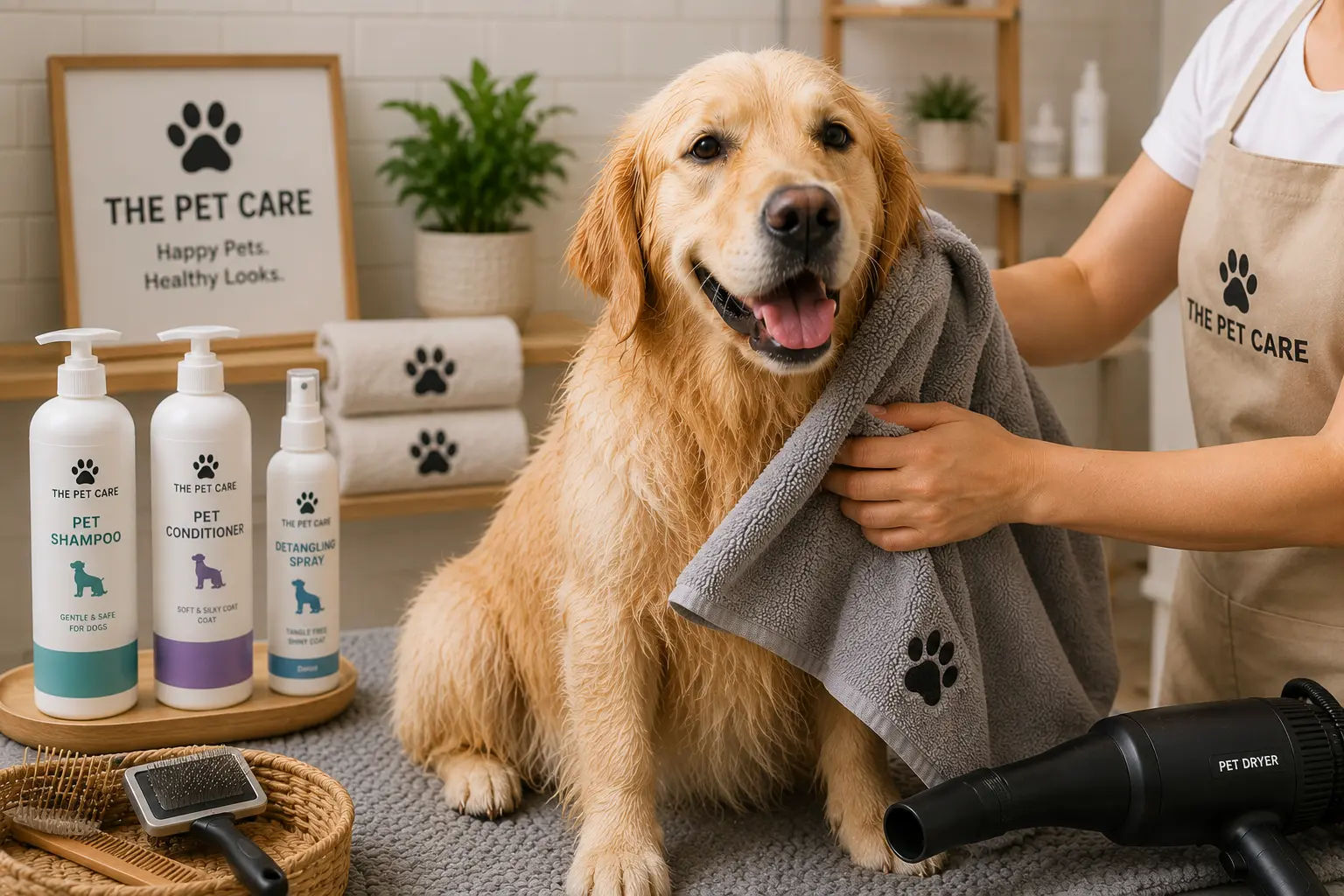
After bathing, gently squeeze excess water from the coat and use a clean microfiber pet towel.
Avoid aggressive rubbing because it can create tangles, particularly in long-haired dogs.
If you use a pet dryer, keep the airflow comfortable and avoid excessive heat.
Make sure areas such as the paws, belly, and thick sections of fur are properly dried.
6. Clean the Ears Carefully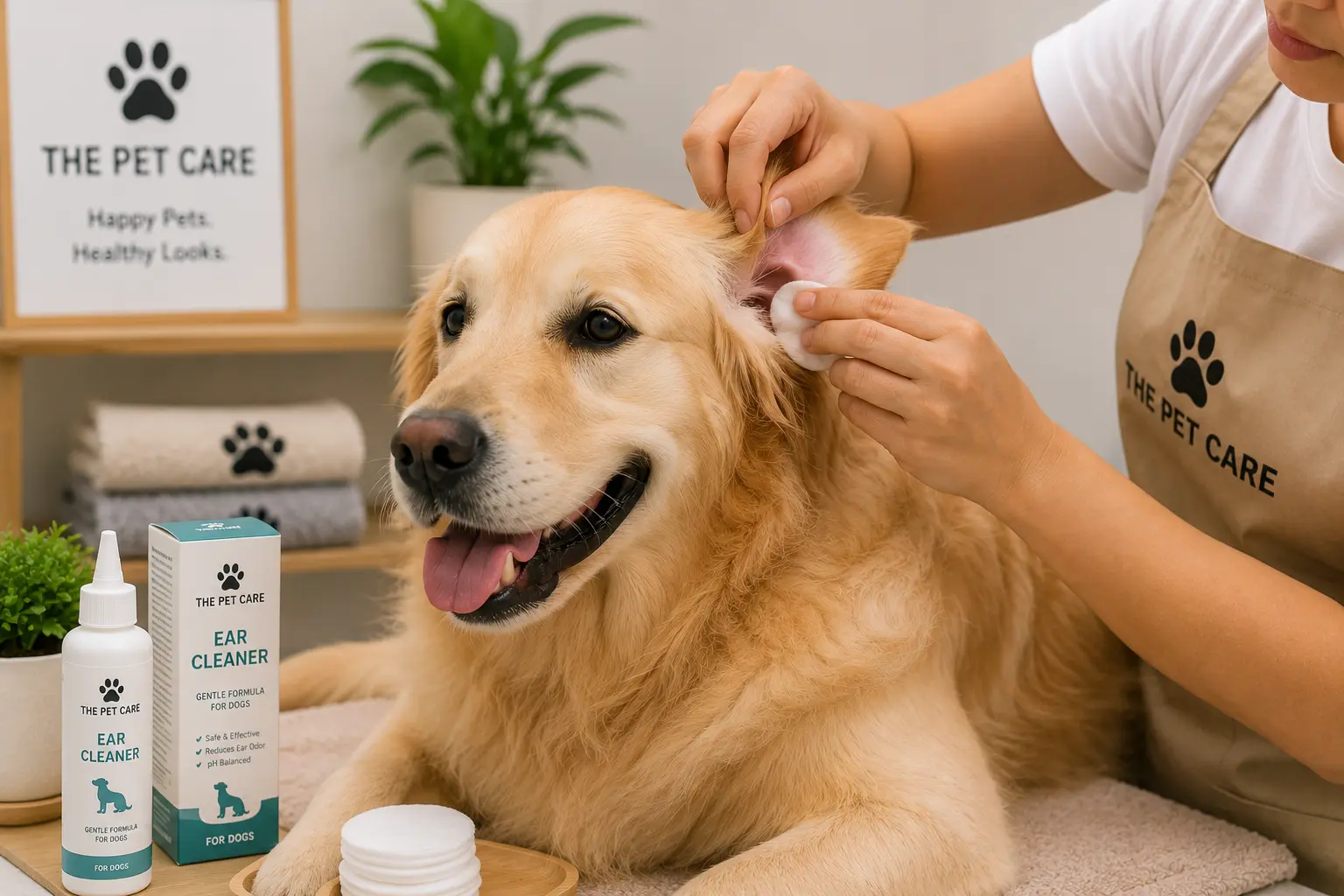
Check your dog’s ears regularly for dirt, unusual odor, redness, or discharge.
If routine cleaning is appropriate for your dog, use a pet-safe ear cleaning solution according to its instructions.
Never push cotton swabs or other objects deep inside the ear canal.
If your dog shows pain, persistent redness, swelling, strong odor, or unusual discharge, contact a veterinarian rather than trying to treat the problem yourself.
7. Trim Your Dog’s Nails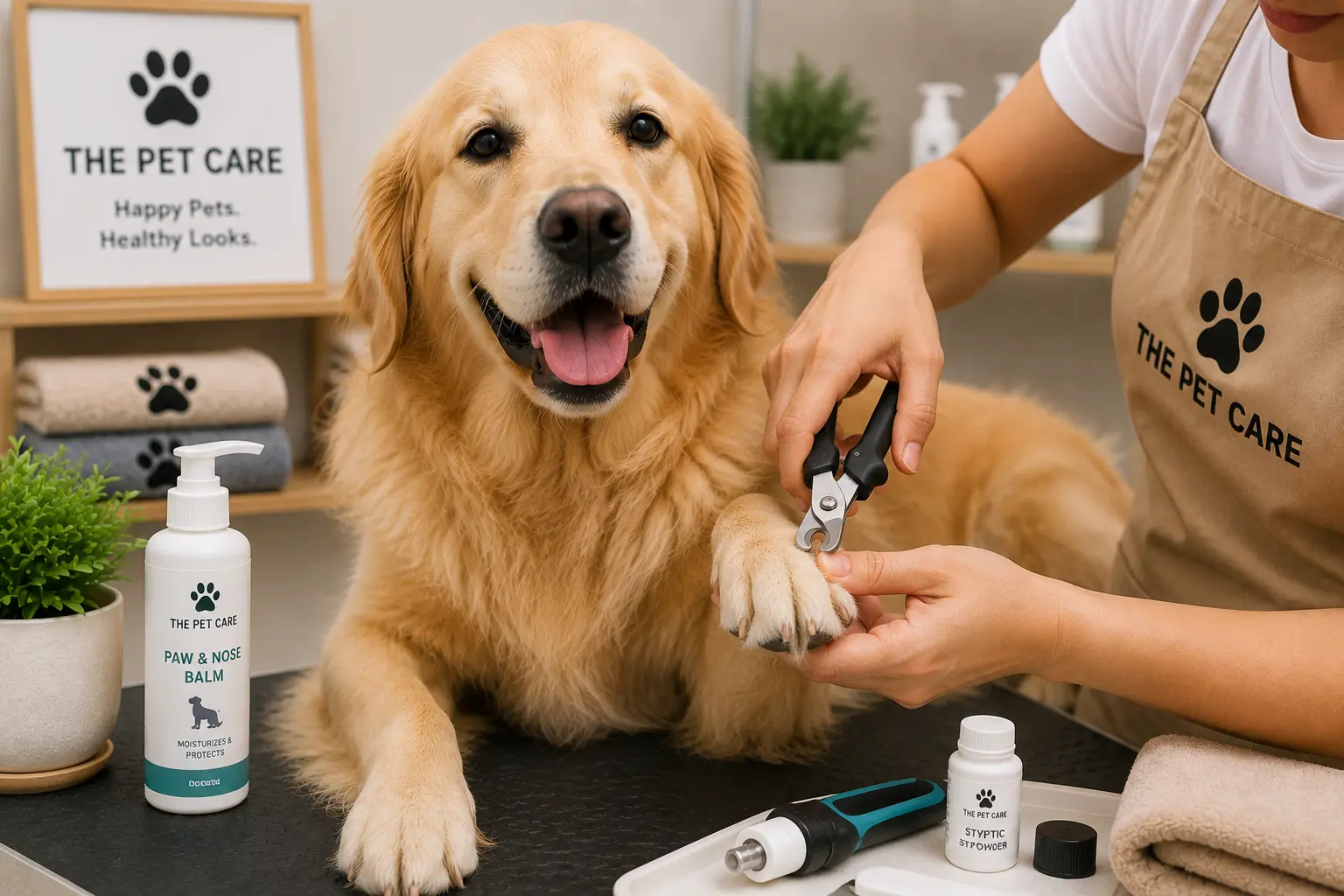
Long nails can make walking uncomfortable and may affect how your dog places its paws.
Use a pet nail clipper or grinder designed for dogs.
Trim only a small amount at a time and avoid cutting into the quick, which contains blood vessels and nerves.
If you cannot clearly identify where it is safe to cut, especially with dark nails, getting help from a professional groomer or veterinarian is a safer choice.
8. Clean and Check the Paws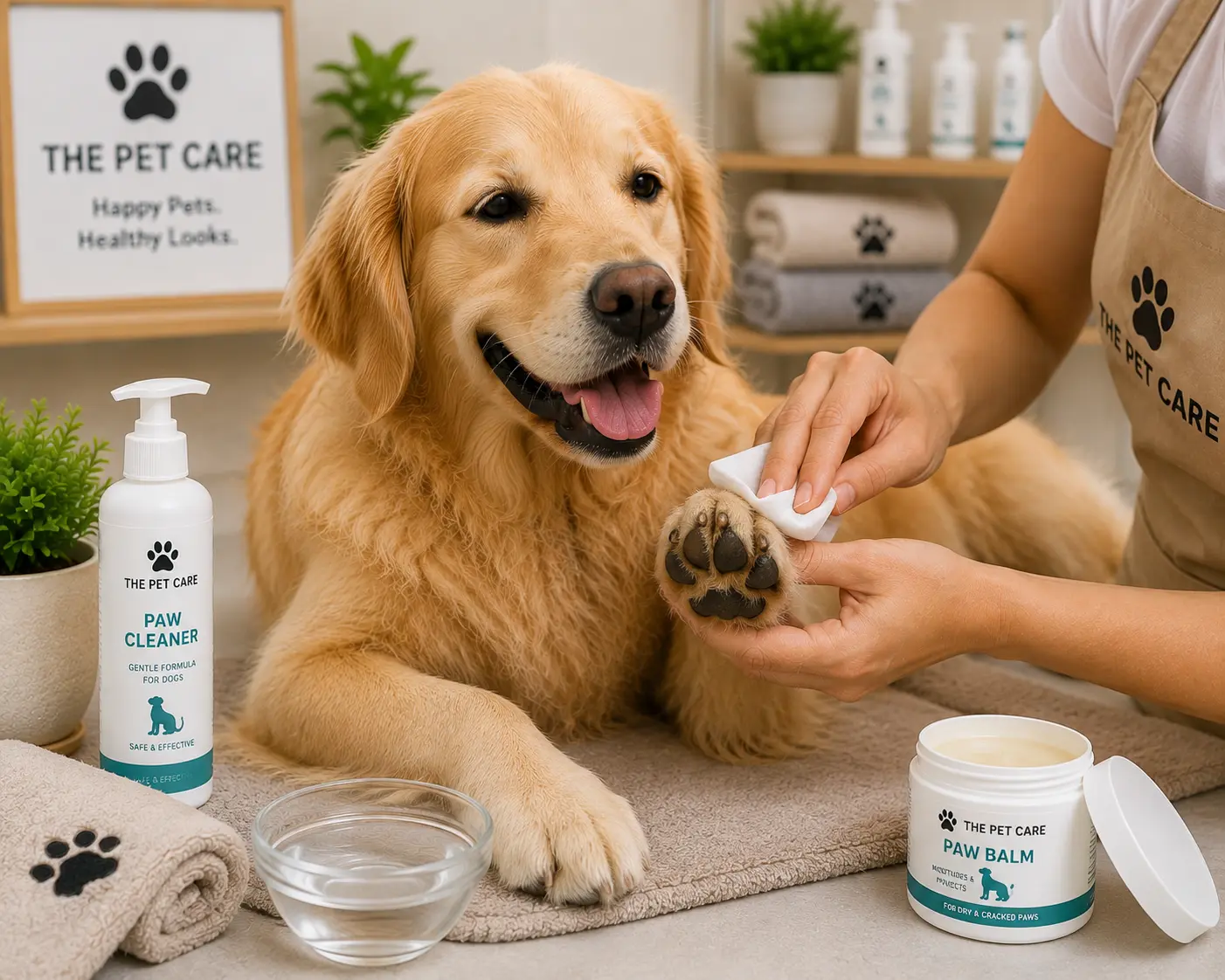
Your dog’s paws regularly come into contact with dirt, grass, roads, and other outdoor surfaces.
After walks, check the paws and remove visible dirt or debris.
Look between the toes and around the paw pads for:
- Small stones
- Cuts
- Cracks
- Redness
- Irritation
- Foreign objects
A suitable paw-cleaning product can make routine cleaning easier. Pet-safe paw balm may also be useful for dry paw pads when appropriate.
9. Take Care of Your Dog’s Teeth
Dental hygiene is another important part of your dog’s grooming routine.
Use a toothbrush designed for pets and dog-safe toothpaste.
Never use ordinary human toothpaste unless a veterinarian specifically tells you it is safe, as some ingredients used in human products can be harmful to dogs.
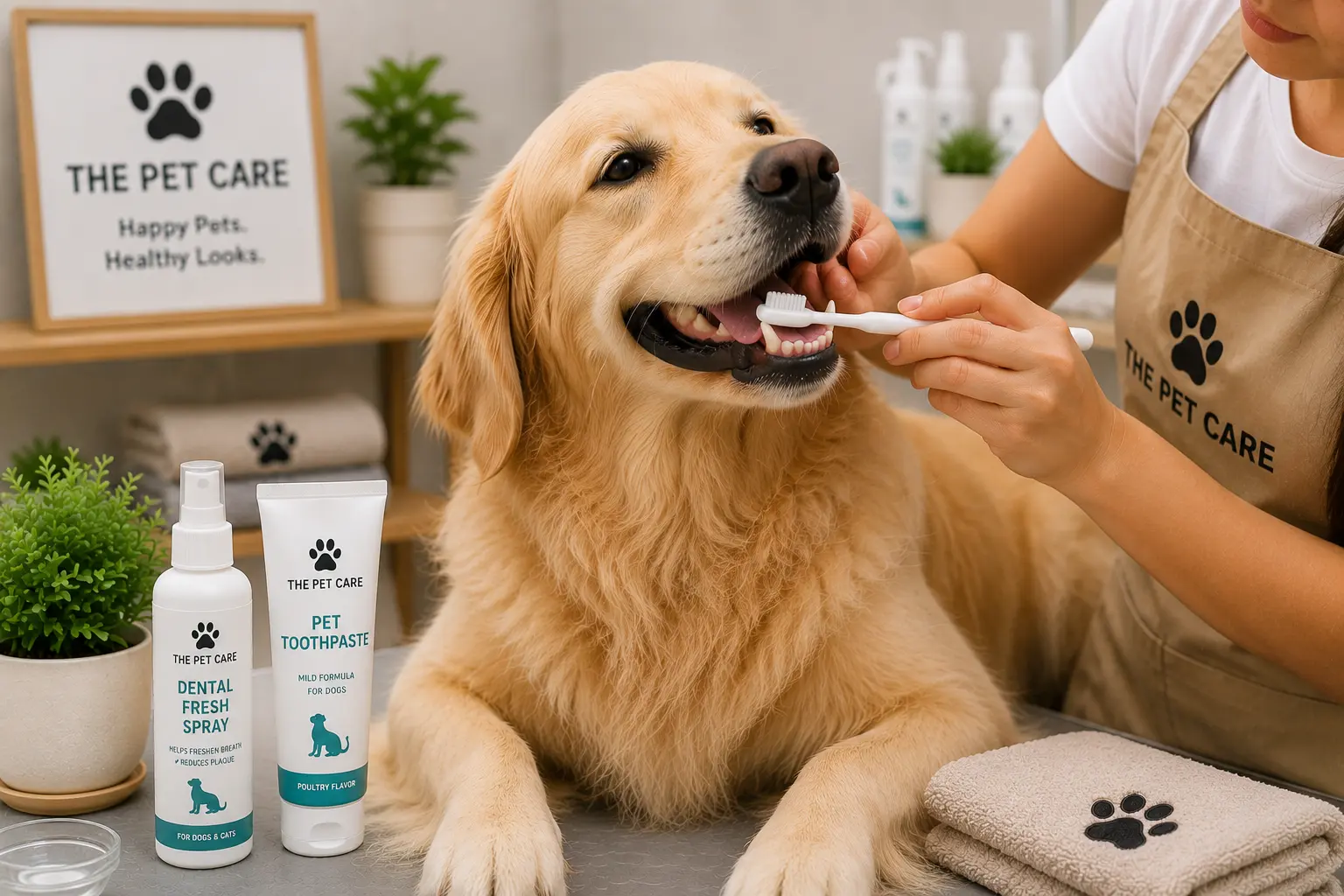
Introduce tooth brushing gradually and reward calm behaviour.
10. Finish With a Gentle Brush
Once your dog’s coat is completely dry, give it another gentle brushing.
This helps:
- Keep the coat neat
- Remove remaining loose hair
- Reduce tangles
- Give the coat a smooth appearance
You can also use an appropriate pet detangling or coat spray if your dog’s coat needs it.
How Often Should You Groom Your Dog?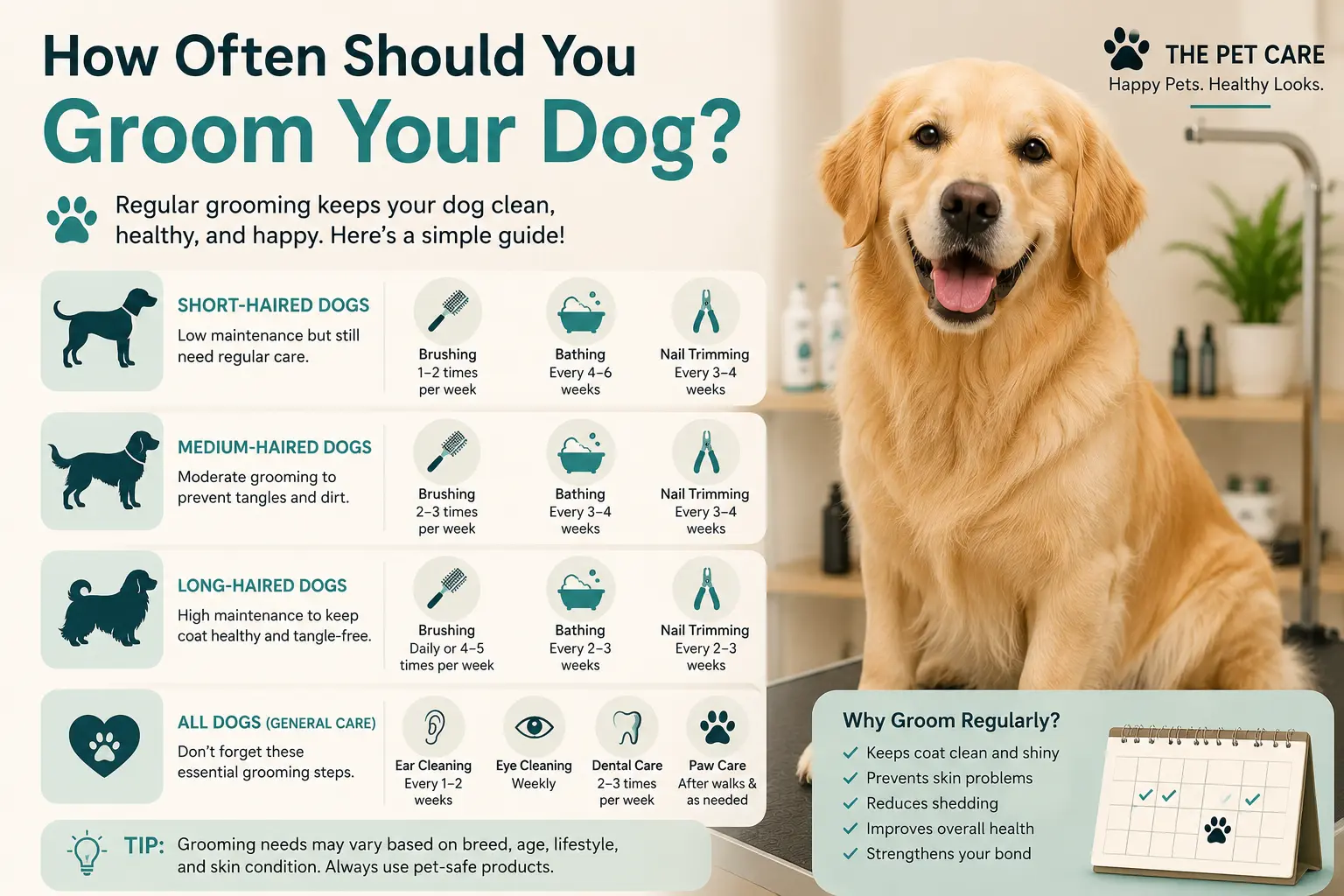
There is no single grooming schedule suitable for every dog.
Grooming frequency depends on:
- Breed
- Coat length
- Coat type
- Activity level
- Age
- Skin condition
- Lifestyle
- Amount of shedding
Long-haired dogs generally require more frequent brushing than many short-haired breeds.
Bathing frequency should also be based on your dog’s individual needs. Excessive bathing or unsuitable products can sometimes dry or irritate the skin.
If your dog has allergies or an existing skin condition, ask your veterinarian for an appropriate grooming routine.
Make Grooming a Positive Experience
Do not rush the grooming process.
Start with short sessions if your dog is not accustomed to being groomed. Speak calmly, handle your dog gently, and reward good behaviour.
If your dog becomes highly stressed or aggressive, stop rather than forcing the grooming session.
Professional groomers can help with tasks that you are not comfortable performing yourself.
Give Your Dog the Care They Deserve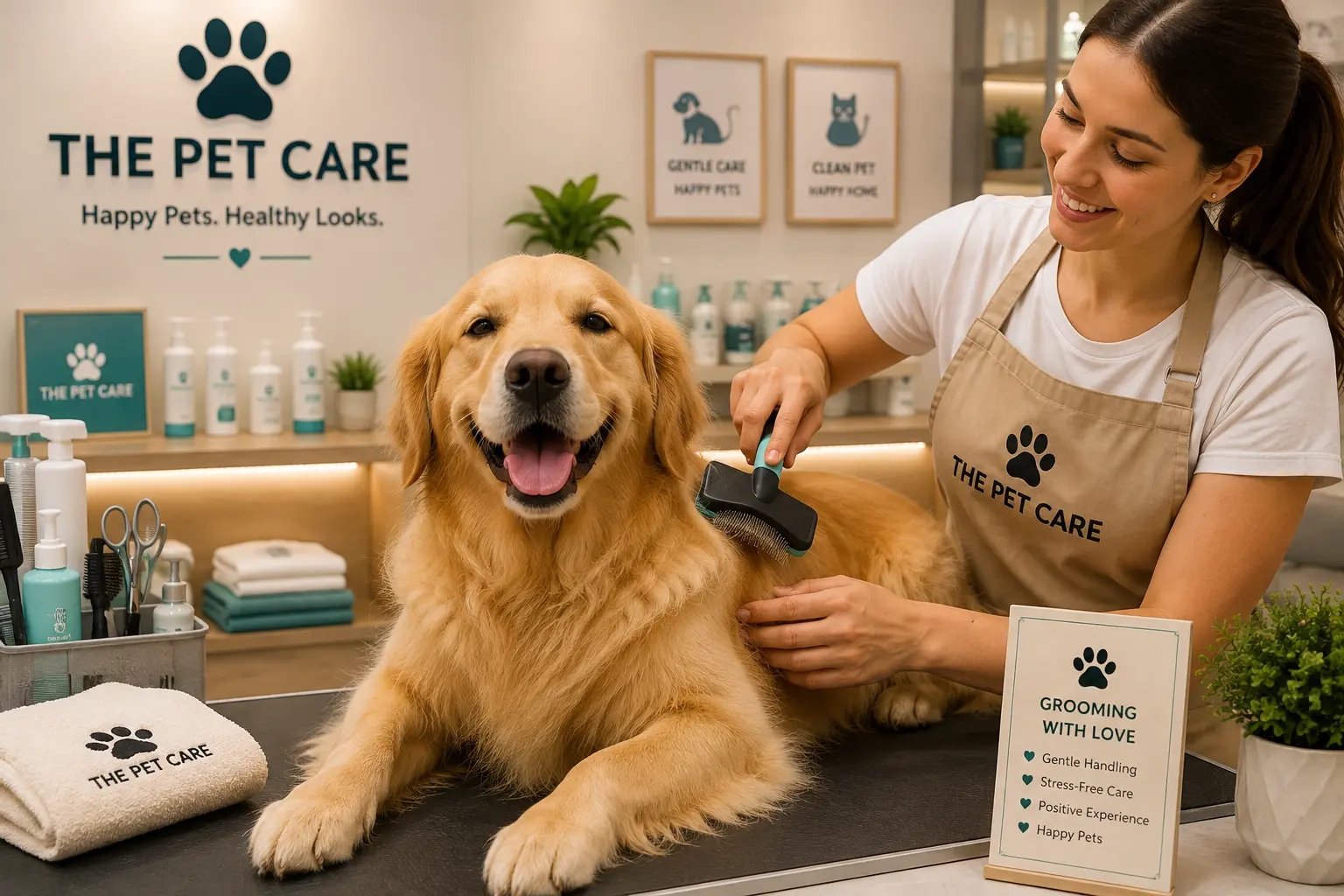
Home grooming can become a simple part of your dog’s routine when you have the right tools and follow safe techniques.
Regular brushing, appropriate bathing, nail care, paw cleaning, ear checks, and dental hygiene can all contribute to your dog’s cleanliness and comfort.
At The Pet Care, our goal is to make everyday grooming easier with practical grooming products and gentle pet-care solutions.
Happy Pets. Healthy Looks.
Because good grooming starts with gentle, regular care.